EA exec says complaints about “on-disc DLC” are “nonsense”

Every few months, it seems, certain gamers get up in arms when it’s discovered that a brand new game disc contains content that is to be sold in the future as “downloadable content.” In a new interview, EA Chief Operating Officer Peter Moore said this kind of controversy comes from a fundamental misunderstanding of the way that DLC is made.

“A lot of that resistance comes from the erroneous belief that somehow companies will ship a game incomplete, and then try to sell you stuff they have already made and held back,” Moore told Gamespot in a Gamescom interview. “Nonsense. You come and stand where I am, next to Visceral’s studio, and you see the work that is being done right now. And it’s not just DLC, this is free updates and ongoing balance changes.”

Moore compared the bits of DLC that are found on some game discs to scaffolding put in place to support the actual downloadable product when it’s ready. “Think of them as APIs,” he said. “Knowing down the road that something needs to sit on what you’ve already made, means you have to put some foundations down. What people are confused about is they think DLC is secretly on the disc, and that it’s somehow unlocked when we say.”

Read 2 remaining paragraphs | Comments
Verizon stopped throttling 3G data when net neutrality rules took effect

A year ago, Verizon Wireless announced that it would begin throttling 4G LTE service for users on unlimited data plans, using the same policy it already applied to its slower 3G network. Verizon caved after criticism from Federal Communications Commission Chairman Tom Wheeler, so the 4G throttling never went into effect. However, Verizon kept right on throttling its 3G customers.

That finally changed two months ago, though we didn’t notice it at the time.”Beginning in 2011, to optimize our network, we managed data connection speeds for a small subset of customers—those who are in the top five percent of data users and have 3G devices on unlimited data plans—and only in places and at times when the network was experiencing high demand. We discontinued this practice in June 2015,” Verizon now says on its website. A reader pointed out the updated language to us yesterday, and RCRWireless News reported the change today.

The change in June occurred in the same month that the Federal Communications Commission’s network neutrality rules against throttling took effect. Though carriers could argue that some throttling is allowable under an exception for “reasonable network management,” Sprint stopped throttling its heaviest users just in case.

Read 5 remaining paragraphs | Comments

Apple releases OS X 10.10.5 to squash Mail, Photos, and QuickTime bugs

Apple has just released OS X 10.10.5, the fifth (and likely last) major update to OS X Yosemite. It can be downloaded now through the Update tab in the Mac App Store, or you can look for standalone installers to hit Apple’s download page later in the day.

The update contains a fix for a bug that gives attackers unfettered root privileges, a feat that makes it easier to surreptitiously infect Macs with rootkits and other types of persistent malware. Shortly after the vulnerability was publicly disclosed, adware distributors started exploiting it in the wild so they could install potentially unwanted applications without requiring end users to enter system passwords.

The list of specific feature fixes is short: it improves Mail’s “compatibility with certain e-mail servers,” fixes a problem with GoPro camera imports into the Photos app, and a problem that kept Windows Media files from playing in QuickTime. The update also fixes an extensive list of security problems in Apache, Bluetooth, CloudKit, the OS kernel, and a handful of other apps and services—all of that information is available here.

Read 1 remaining paragraphs | Comments

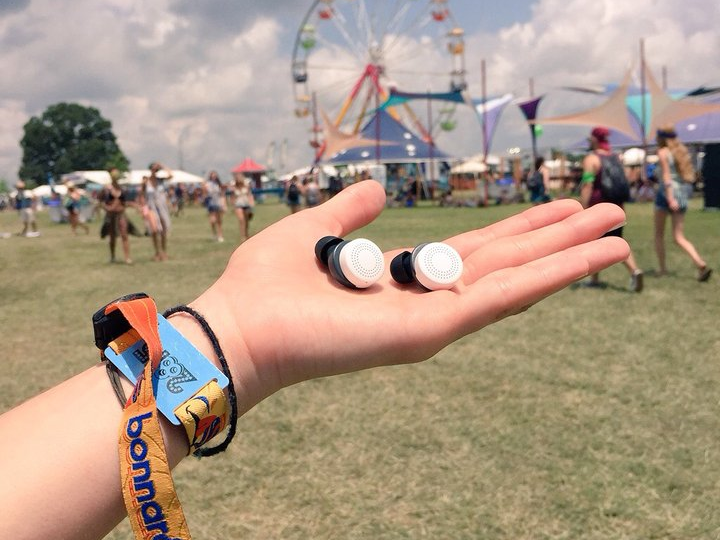
Doppler Labs just raised $17 million to create earbuds that don’t play music but let you customize how the world sounds around you — and we gave them a listen

Today Doppler Labs announced the close of a $17 million Series B investment round aimed at bringing bionic hearing to the market.

Source: Doppler Labs just raised $17 million to create earbuds that don’t play music but let you customize how the world sounds around you — and we gave them a listen